
A Comprehensive Guide to Common Refrigerator Problems and Causes

Quick Answer

Refrigerators commonly face issues like not cooling, water leakage, strange noises, and excessive frost buildup. These problems are usually caused by faulty components such as compressors, thermostats, evaporator coils, or blocked drainage systems. Identifying early signs and calling a professional service provider can prevent major failures and costly replacements.

Introduction

A refrigerator is one of the most essential appliances in any home or business. When it stops working properly, it can lead to food spoilage, inconvenience, and unexpected expenses.

Understanding common refrigerator problems and their causes helps you recognize early warning signs and take timely action. Instead of attempting risky DIY fixes, working with a professional repair service ensures safety, efficiency, and long-term performance.

Common Refrigerator Problems and Causes

1. Refrigerator Not Cooling Properly

What Happens

Your fridge runs, but food doesn’t stay cold or fresh.

Common Causes

  • Faulty thermostat
  • Dirty condenser coils
  • Malfunctioning compressor
  • Blocked air vents
  • Low refrigerant levels

Why It Matters

Poor cooling can quickly spoil food and indicate serious internal damage.

When to Call a Professional

If temperature adjustments don’t work, the issue likely involves internal components that require expert diagnosis.

2. Refrigerator Running Constantly

What Happens

The fridge runs non-stop without shutting off.

Common Causes

  • Dirty condenser coils
  • Faulty door seals (gaskets)
  • Incorrect temperature settings
  • Malfunctioning defrost system

Risks

  • Higher electricity bills
  • Increased wear and tear on components

Expert Insight

A continuously running refrigerator often signals inefficiency that can shorten the appliance’s lifespan.

3. Water Leakage from Refrigerator

What Happens

Water pools under or inside the refrigerator.

Common Causes

  • Clogged defrost drain
  • Broken or frozen water line
  • Cracked drain pan
  • Improper leveling

Why Immediate Action Is Important

Water leaks can damage flooring and lead to mold growth.

4. Excessive Frost Build-Up

What Happens

Ice accumulates in the freezer or refrigerator compartments.

Common Causes

  • Faulty defrost heater
  • Broken defrost thermostat
  • Damaged door seals
  • Frequent door opening

Impact

  • Reduced cooling efficiency
  • Increased energy consumption

5. Refrigerator Making Strange Noises

What Happens

You hear buzzing, clicking, or rattling sounds from your refrigerator.

Common Causes

  • Faulty compressor
  • Loose components
  • Worn-out evaporator fan motor
  • Ice buildup around fan blades

Important Note

Unusual noises are often early indicators of mechanical failure.

6. Refrigerator Not Turning On

What Happens

The fridge shows no signs of power.

Common Causes

  • Power supply issues
  • Faulty start relay
  • Damaged control board
  • Compressor failure

Professional Recommendation

Electrical problems should always be handled by trained technicians to avoid safety risks.

7. Bad Odor Inside Refrigerator

What Happens

Unpleasant smells persist even after cleaning.

Common Causes

  • Spoiled food
  • Mold or bacteria buildup
  • Blocked air circulation
  • Dirty drip pan

Business Impact (for commercial users)

Odors can affect food quality and customer trust.

8. Ice Maker Not Working

What Happens

The ice maker stops producing ice or produces small/irregular cubes.

Common Causes

  • Frozen water line
  • Faulty inlet valve
  • Broken ice maker assembly
  • Low water pressure

Key Facts About Refrigerator Issues

ProblemLikely CauseUrgency Level
Not coolingCompressor/thermostat issueHigh
Water leakageBlocked drainMedium
Constant runningDirty coils/sealsMedium
Frost buildupDefrost system failureHigh
Strange noiseMotor or compressor issueHigh
Not turning onElectrical failureCritical

Step-by-Step: What to Do When You Notice a Problem

  1. Identify the symptom (cooling, noise, leaks, etc.)
  2. Check basic settings (temperature, power supply)
  3. Avoid repeated opening/closing of doors
  4. Do not attempt internal repairs
  5. Contact a professional refrigerator repair service

Common Mistakes to Avoid

  • Ignoring early warning signs
  • Attempting DIY repairs on electrical components
  • Delaying service calls
  • Overloading the refrigerator
  • Using incorrect temperature settings

These mistakes often lead to more expensive repairs or complete appliance failure.

Why Professional Refrigerator Repair Matters

Choosing a professional service provider offers:

  • Accurate diagnosis using advanced tools
  • Safe handling of electrical and refrigerant systems
  • Long-term cost savings
  • Warranty-backed repairs
  • Faster turnaround time

For homeowners and businesses, this means less downtime and better appliance performance.

Key Takeaways

  • Refrigerator problems are common but often preventable
  • Early detection saves money and prevents major breakdowns
  • Most issues are linked to components like compressors, coils, and thermostats
  • Avoid DIY fixes—professional service ensures safety and reliability
  • Regular maintenance improves efficiency and lifespan

FAQ Section

1. What is the most common refrigerator problem?

The most common issue is cooling failure, often caused by dirty coils, faulty thermostats, or compressor problems.

2. Why is my refrigerator leaking water?

Water leakage usually happens due to a blocked defrost drain or damaged water line.

3. Is it normal for a refrigerator to make noise?

Some noise is normal, but loud or unusual sounds often indicate mechanical issues that need professional attention.

4. How do I Know If I have refrigerator compressor problems?

Signs include poor cooling, loud noise, and frequent cycling. A technician should confirm and repair it.

5. When should I call a refrigerator repair service?

Call a professional when:

  • Cooling stops
  • Electrical issues occur
  • Water leaks persist
  • Noise becomes excessive

Conclusion

Understanding common refrigerator problems and causes helps you act quickly before small issues turn into costly repairs. While basic observations are useful, most refrigerator problems require expert handling.

If your refrigerator shows any warning signs, the best decision is to contact a trusted repair service provider. Professional care ensures your appliance runs efficiently, safely, and reliably for years to come.
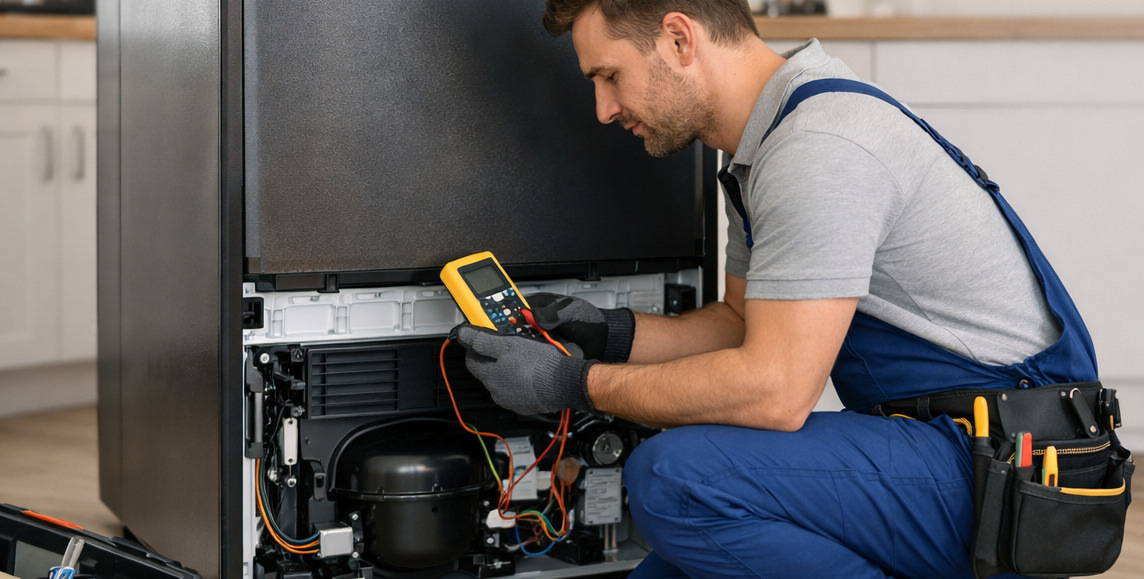
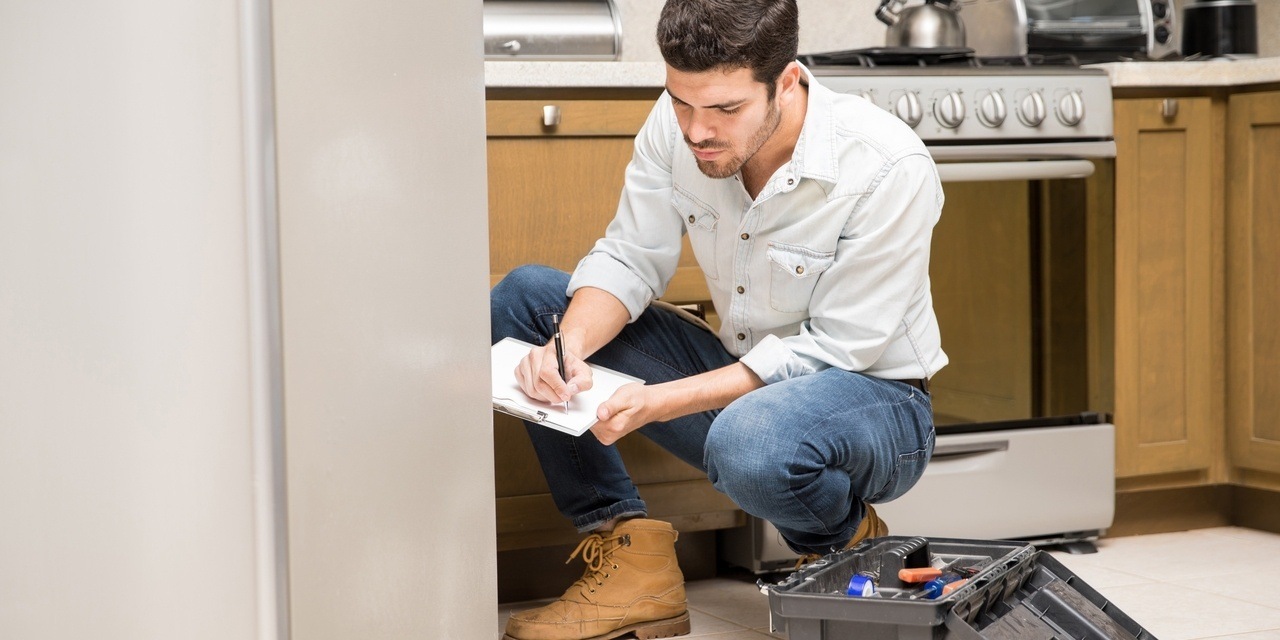
Freezer Making Strange Noises? Here’s When to Call a Repair Technician

A freezer is supposed to run quietly in the background, preserving your food without drawing attention. So when it starts making unusual noises like buzzing, clicking, rattling, or humming louder than usual, it’s often a sign that something isn’t right.  If you’ve been wondering, “Why is my freezer making noise?” it’s important to understand the cause early

In many cases, a freezer making loud noises is an early warning sign of mechanical issues, airflow problems, or failing components. Ignoring them can lead to costly repairs or even complete appliance failure, which is why timely freezer repair is essential.

In this blog, we’ll explain what different freezer noises mean, what causes a freezer to make noise, when you should be concerned, and when it’s time to call a professional repair technician.

What Types of Noises Are Normal for a Freezer?

Before jumping to conclusions, it’s important for you to understand that not all freezer noises indicate a problem. Some of the common sounds that your freezer makes include:

  • A low humming from the compressor
  • Clicking when the thermostat cycles on and off
  • Light gurgling from refrigerant flow
  • Occasional popping sounds during defrost cycles

These sounds are part of regular operation and are not the same as a freezer humming loudly or producing a constant freezer buzzing noise. However, loud, persistent, or unusual noises are not normal, and you should investigate them or call a freezer repair service provider who can help you with reliable appliance repair services.

What Causes a Freezer to Make Strange Noises?

Freezers contain several moving and electrical components. When one of these parts begins to fail, it can create noticeable sounds you can hear. If you’re asking yourself why is my freezer so loud, the following issues are the most common causes.

1. Defective Evaporator Fan Motor

The evaporator fan circulates cold air inside the freezer. If it becomes worn or obstructed, it may produce:

  • High-pitched squealing
  • Grinding noises
  • Loud humming

This is often described as a freezer fan making noise or even a type of freezer motor noise. This issue can affect the cooling performance of your freezer and should be addressed quickly.

2. Condenser Fan Issues 

Located near the compressor, the condenser fan helps release heat. When it’s dirty or damaged, you may hear:

  • Freezer buzzing noises
  • Freezer clicking noises
  • Freezer Vibrations

A blocked or failing fan can cause your freezer to overheat.

3. Compressor Problems 

The compressor is the heart of your freezer. If it starts to fail, it may produce:

  • Loud humming or buzzing
  • Knocking sounds
  • Clicking that repeats frequently

This is commonly referred to as a freezer compressor making noise. Compressor problems are serious and often require professional repair or replacement.

4. Buildup of Ice Around Components

Excess frost or ice can interfere with internal parts like the fan or vents, leading to:

  • Scraping or grinding noises
  • Airflow restriction sounds

This often points to a defrost system issue is a key answer to what causes a freezer to make noise in many households.

5. Loose or Vibrating Parts

Sometimes, the problem is simpler:

  • Loose panels or screws
  • Unstable positioning
  • Items vibrating inside the freezer

These can create rattling or vibrating sounds that are easy to fix and may not always require appliance repair services.

How to Know If a Freezer Noise Is Serious?

Not every noise requires immediate action, but some are clear warning signs that you should not ignore.

Signs You Should Be Concerned

  • Noise is getting louder over time
  • Your freezer is not cooling properly
  • You notice frequent cycling on and off
  • There are unusual smells or heat
  • Frost buildup is increasing

If you notice any combination of these, it’s best to act quickly before the issue worsens.

When Should You Contact a Freezer Repair Technician?

Knowing when to call a professional can save you time, money, and stress. You should call a freezer repair technician immediately if you notice the following:

1. You are Hearing Loud and Persistent Noise 

If the sound doesn’t go away or becomes disruptive, especially in cases of the freezer making noise continuously, it’s likely a mechanical issue that needs the attention of a professional.

2. Your Freezer Isn’t Cooling Effectively

Strange noises combined with temperature problems often indicate serious component failure and need immediate attention from a freezer technician.

3. You Hear Grinding or Screeching Sounds

These sounds typically point to worn-out motors or moving parts that need replacement.

4. The Compressor Is Constantly Clicking

A freezer clicking noise could mean the compressor is struggling to start, which is a common issue that requires diagnosis from a professional.

5. There’s Ice Buildup Affecting Performance

A technician can identify whether the issue is related to the defrost heater, thermostat, or airflow system.

If the issue becomes urgent, searching online for “emergency freezer repair near me” can help you get immediate assistance.

Can You Fix Freezer Noise Problems Yourself?

Some minor issues can be resolved without professional help, especially if you’re researching how to fix a noisy freezer or how to stop freezer from making noise. However, it’s important to know your limits.

Simple DIY Checks

  • Ensure the freezer is level
  • Check for loose items or shelves
  • Clean dust from condenser coils
  • Make sure vents are not blocked

However, do not attempt to repair electrical or mechanical components yourself, as this can be dangerous and may worsen the problem.

How To Prevent Freezer Noise Issues

Regular maintenance can help keep your freezer running quietly and efficiently. Following proper freezer maintenance tips and learning how to maintain freezer performance can prevent most noise-related problems.

Preventive Tips

  • Clean condenser coils every 6 months
  • Avoid overloading the freezer
  • Check door seals for proper closure
  • Defrost regularly if needed
  • Schedule periodic appliance maintenance

These simple steps can extend the lifespan of your freezer and reduce the risk of unexpected breakdowns.

Why Timely Freezer Repair Matters

Ignoring strange noises can lead to:

  • Higher energy bills
  • Food spoilage
  • Costly repairs or full replacement
  • Safety risks from electrical issues

Addressing problems early ensures your freezer remains reliable and efficient.

Why Choose Suwanee Appliance Repair?

When your freezer starts making unusual noises, you need a trusted professional who can diagnose and fix the problem quickly.

Suwanee Appliance Repair offers:

  • Experienced and certified technicians
  • Fast and reliable service
  • Accurate diagnostics and transparent pricing
  • Repairs for all major freezer brands
  • Same-day service options when available

Our team provides expert appliance repair services and understands how important your appliances are, working efficiently to restore them to proper working condition.

Our Comprehensive Appliance Repair Services 

At Suwanee Appliance Repair, we offer a full range of professional services designed to restore the performance and reliability of your essential household appliances. Whether it’s your kitchen or laundry equipment, our skilled technicians are equipped to handle repairs for multiple appliance types with precision and efficiency.

1. Refrigerator Repair Services
We diagnose and fix issues such as inconsistent cooling, leaks, faulty ice makers, and damaged seals to keep your food fresh and safe during our refrigerator repair services.

2. Freezer Repair Services
For our freezer repair services, we ensure your freezer operates efficiently at all times, from temperature fluctuations to frost buildup and compressor problems.

3. Washer Repair Services
Our washer repair services include our experts handling common issues like leaks, spin failures, no heat, and poor drying performance to restore smooth and reliable laundry operations.

4. Dryer Repair Services
Dryer problems such as no heat, poor drying performance, or electrical faults are resolved by our team of dryer repair service providers quickly, helping you maintain safe and efficient drying cycles.

5. Stove Repair Services
For both gas and electric stoves, our stove repair services include our experts handling burner issues, temperature inconsistencies, and control problems to ensure safe and reliable cooking.

6. Microwave Repair Services
Our microwave repair services include fixing heating issues, broken components, and control panel malfunctions, ensuring convenience in your daily cooking routine. 

    Get Your Freezer Back to Quiet, Reliable Performance

    Strange noises from your freezer are not something you should ignore. While some sounds are harmless, others can indicate serious issues that require immediate attention.

    If your freezer is making unusual noises, acting inefficiently, or showing signs of failure, it’s time to call in the experts.

    Contact us at Suwanee Appliance Repair today to schedule a professional inspection and repair service. Our skilled technicians will quickly identify the issue and provide reliable solutions for your freezer so you can enjoy peace of mind and a properly functioning freezer once again.

    FAQs 

    Why is my freezer making a loud noise?

    A loud freezer noise is usually caused by a faulty fan motor, compressor issues, or loose internal components. If the sound is persistent or getting louder, it’s best to have it inspected by a professional technician to prevent further damage.

    Is it normal for a freezer to make buzzing or humming sounds?

    Yes, a low humming or buzzing sound is normal and typically comes from the compressor during operation. However, if the noise becomes unusually loud or changes suddenly, it could indicate a problem.

    What does a clicking noise in a freezer mean?

    A clicking sound may occur when the compressor tries to start. Occasional clicking is normal, but frequent or continuous clicking could signal a failing compressor or electrical issue that requires repair.

    When should I call a technician for freezer noise?

    You should call a technician if the noise is loud, persistent, or combined with cooling issues, frost buildup, or unusual smells. Early repair can help prevent costly breakdowns.

    Can a noisy freezer be dangerous?

    In some cases, yes. Strange noises caused by electrical faults or compressor problems can pose safety risks. It’s important to have unusual sounds checked by a professional.

    The 5 Most Common Refrigerator Problems and the Early Warning Signs

    When your fridge starts acting up, it usually doesn’t fail overnight. Most common refrigerator problems give you early warning signs long before food actually spoils or the unit stops running.

    Below are the five most common refrigerator issues, what the early symptoms look like, and when a DIY fix is reasonable versus when it’s time to call a professional.

    1. Refrigerator Not Cooling Properly

    This is the big one, the classic “refrigerator not cooling” situation. You open the door and the air feels cool-ish, but milk spoils faster, veggies wilt, and drinks never get truly cold. That’s when many people start Googling, “why is my refrigerator not cooling” and get overwhelmed by possibilities.

    Early warning signs

    • Food spoils before the “use by” date
    • Ice cream is soft or slightly melted
    • Condensation or moisture inside the fridge
    • The motor seems to run constantly
    • Temperature display is higher than usual (or fluctuating)

    Possible causes

    • Dirty condenser coils
    • Blocked air vents from overpacking
    • Faulty door gasket letting cold air escape
    • Incorrect temperature setting
    • Refrigerator thermostat problems
    • Beginning stages of refrigerator compressor problems

    How to fix a refrigerator not cooling (simple checks first)

    Before assuming the worst, try these: 

    1. Check the temperature setting

    • Fridge: around 37,40°F
    • Freezer: around 0°F

    2. Clear vents and improve airflow

    • Don’t push food all the way against the back wall
    • Leave space at the top and sides so air can circulate

    3. Clean the condenser coils

    • Unplug the fridge
    • Access coils (usually on the back or underneath)
    • Gently vacuum and brush off dust and pet hair

    4. Inspect the door gasket

    • Look for cracks, tears, or warped areas
    • Close a piece of paper in the door; if it pulls out easily, the seal is weak

    If you’ve done these and the refrigerator not cooling issue continues, it’s time to look at deeper components: the thermostatdefrost system, or compressor, which are usually better left to a technician.

    2. Refrigerator Freezer Problems

    Sometimes the fridge section is fine, but the freezer isn’t freezing properly, or it’s doing the opposite and turning everything into a snow brick. These refrigerator freezer problems can quietly develop over time.

    Early warning signs

    • Ice cream too soft or never fully frozen
    • Frost buildup on food or walls
    • Ice maker producing hollow or misshapen cubes
    • Freezer door not closing easily
    • Strange humming or clicking when the compressor cycles

    Common causes

    • Blocked air vents between freezer and fridge
    • Door seal leaking cold air
    • Frosted-over evaporator coils
    • Defrost system not working properly
    • Temperature set too low or too high

    What you can do

    • Reorganize the freezer: Don’t block air vents with boxes or bags
    • Check the door seal: Make sure nothing is preventing the door from closing fully
    • Defrost the freezer: If you see thick frost, a full manual defrost (unplug and let it melt) can temporarily restore performance

    If the freezer warms back up or continues to ice over quickly, there may be a deeper defrost problem in refrigerator components like the heater, timer, or defrost thermostat.

    3. Defrost Problem in Refrigerator

    Modern fridges are “frost-free,” but that doesn’t mean frost never forms , it means the fridge regularly melts it away automatically. When that system fails, you get a defrost problem in refrigerator that quietly chokes airflow and leads to cooling issues.

    Early warning signs

    • A thick sheet of ice behind the back panel inside the freezer
    • Frost building up quickly after you manually defrost
    • The fridge side getting warm while the freezer seems “okay”
    • Water pooling at the bottom of the fridge or under drawers

    Why this matters

    When frost covers the evaporator coils, cold air can’t move properly. That’s why a defrost issue can show up first as refrigerator not cooling even when the freezer still feels cold.

    What might be wrong

    • Defrost heater not turning on
    • Defrost thermostat malfunctioning
    • Defrost timer or control board failure
    • Clogged defrost drain causing ice buildup

    What you can safely do

    • Perform a full manual defrost: Unplug the fridge, prop doors open, and let all ice melt
    • Clear visible ice from the drain area (if accessible)
    • Make sure doors fully close and gaskets are sealing

    If frost returns within a few days or weeks, you’re likely dealing with a deeper electrical or control issue in the defrost system that calls for professional diagnosis.

    4. Refrigerator Thermostat Problems (Repair or Replacement)

    The thermostat is the “brain” that tells your fridge when to cool and when to rest. When it fails, your fridge may run constantly, not run enough, or cycle unevenly , leading to all kinds of refrigerator problems.

    Early warning signs of thermostat trouble

    • Fridge is too warm even though the setting is low
    • Fridge is freezing food in the fresh-food section
    • Unit cycles on and off rapidly
    • No response when you adjust the temperature dial or control

    Refrigerator thermostat repair vs. replacement

    Refrigerator thermostat repair might be possible if the issue is with wiring connections, sensor positioning, or a loose component. Refrigerator thermostat replacement is often recommended when:

    1. The thermostat doesn’t respond to setting changes
    2. Cooling is erratic and other causes (coils, gaskets, vents) are ruled out
    3. Testing shows no continuity or inaccurate readings

    Because thermostats are linked to the control system and wiring, most homeowners are better off calling a pro to handle the actual diagnosis and replacement. Incorrect wiring or parts can lead to bigger refrigerator issues or even safety hazards.

    5. Refrigerator Compressor Problems

    If the thermostat is the brain, the compressor is the heart. Refrigerator compressor problems are serious because the compressor is responsible for circulating refrigerant and creating the cooling effect.

    Early warning signs

    • Loud humming, buzzing, or knocking from the back of the fridge
    • Compressor gets extremely hot to the touch
    • Fridge not cooling even though the fans run
    • Clicking sound every few minutes as the compressor tries (and fails) to start
    • Breaker tripping when the fridge tries to start

    What might be happening

    • Failing start relay or capacitor (the compressor’s “starter”)
    • Internal compressor failure
    • Sealed system or refrigerant issue

    Why this isn’t a DIY situation

    Compressors and sealed systems involve refrigerant, high pressure, and specialized tools. Attempting to “fix” this yourself can be unsafe and may void warranties. If everything else looks fine and the unit still won’t cool, it’s time to have a technician check for refrigerator compressor problems and recommend repair vs. replacement.

    When to DIY, and When to Call a Pro

    You can absolutely handle some common refrigerator problems on your own: You can usually DIY:

    • Cleaning dirty condenser coils
    • Adjusting temperature settings
    • Reorganizing and clearing vents
    • Checking and replacing simple door gaskets (if comfortable)
    • Performing a full manual defrost

    You should call a professional for repairs to refrigerators for:

    • Ongoing refrigerator not cooling after basic maintenance
    • Recurring refrigerator freezer problems and heavy frost buildup
    • Persistent defrost problem in refrigerator after manual defrost
    • Suspected refrigerator thermostat repair or refrigerator thermostat replacement
    • Any suspected refrigerator compressor problems or sealed-system issues

    Conclusion: Don’t Wait for a Meltdown

    Refrigerator problems don’t occur suddenly. They develop over time and may start with a small clicking noise, a small puddle underneath a drawer, or a slightly warmer gallon of milk. By knowing common problems with a refrigerator, you will be able to identify them early enough and get them fixed by an expert. At Suwanee Appliance Repair, we are aware of how essential a refrigerator is in your kitchen and make sure it stays in top condition for a long time. This is what has earned us the reputation for our honest, speedy, and high-quality refrigerator repair in Suwanee, GA. We diagnose not only the problem’s symptoms but also the cause; this way we can return your refrigerator to healthy working order for years to come. If you are looking for reliable appliance repair in Suwanee GA, contact us today and get the best refrigerator repair services.

    FAQ

    Why is my refrigerator not cooling?

    In many cases, it’s due to dirty coils, blocked airflow, a bad door seal, incorrect temperature settings, or an early failure in the thermostat or defrost system. More serious causes include refrigerator compressor problems or a sealed-system leak.

    How to fix refrigerator not cooling?

    Start with the simple steps:

    • Verify temperature settings
    • Clean condenser coils
    • Make sure vents aren’t blocked
    • Check the door gasket for gaps or damage
    • Manually defrost if you see heavy frost

    If those don’t solve the issue, it’s likely time for professional diagnosis of deeper refrigerator problems like the thermostat, defrost system, or compressor.